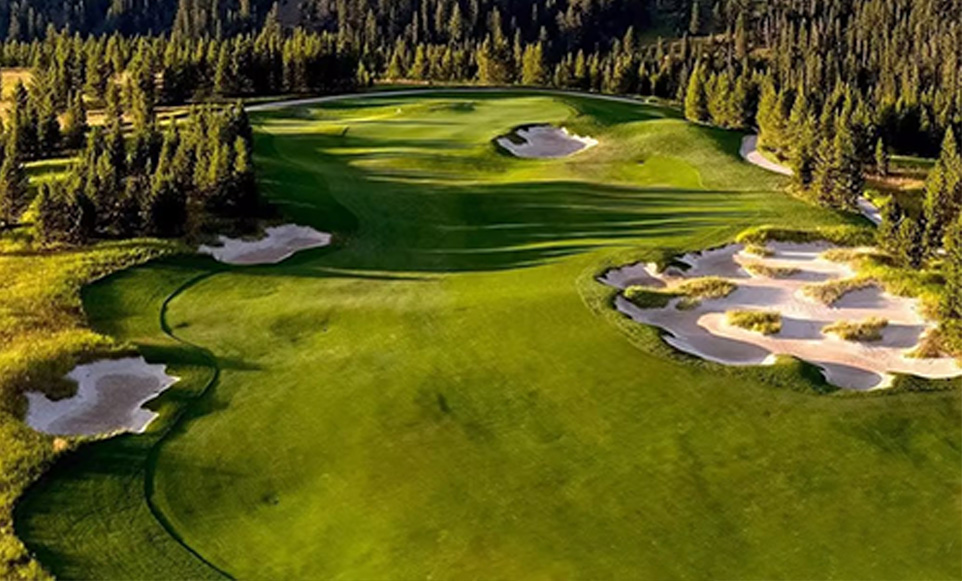
The golf driving range markets in the United States and Australia have matured in distinct directions, shaped by consumer habits, land cost and local golf culture. In the US, two dominant models coexist: traditional bucket-ball outdoor ranges and high-tech entertainment venues like Topgolf. Many US facilities combine casual recreation, corporate events, food & beverage, and golf coaching, targeting families, young beginners and corporate groups. Land is relatively abundant in suburban zones, so most outdoor ranges feature long hitting distances and dozens of hitting bays. Some urban operators also run 24-hour unmanned indoor simulator studios, relying on membership subscriptions instead of one-time ball bucket sales.
Australia’s golf practice facilities are more closely tied to traditional golf clubs. Most hitting areas are attached to golf courses, serving club members first, with public access as a secondary service. Australian operators face harsher outdoor conditions: strong UV radiation, sudden heavy rain and dry heat. Native land and water restrictions also raise the maintenance cost of natural turf. Many Australian clubs limit the use of natural grass tees to competition warm-up only, while daily practice must be completed on artificial hitting mats.
These operational differences create different requirements for hitting surfaces. US mixed-use entertainment venues need heavy-duty mats that can withstand high foot traffic from beginners and event guests. Australian club ranges prioritize UV resistance, fast drainage and year-round stability under intense sunlight.
Qingdao Yousen Fiber Tech commercial golf mats are engineered to fit both markets. Our multi-layer structure delivers realistic fairway feedback and shock absorption to reduce joint strain for high-volume practice. For US entertainment-style ranges, reinforced edges and anti-tear turf resist frequent heavy hits. For Australian outdoor clubs, UV-stabilized fiber prevents fading and fiber breakage under strong sunshine, with permeable backing to drain rainwater quickly. Custom sizes and modular designs allow flexible layout for large US bays or compact Australian club tee decks. As operators in both countries seek to cut turf replacement cycles and maintenance labour, Yousen golf mats become a cost-effective long-term investment for stable daily operations.